advertisement
 
 Print    Email     Bookmark     Share

Laptop predictions for 2008

By Darius Chang

In the mobile computing world, quad-core processing and chipset refreshes are almost as certain as death and taxes. Fortunately, 2008 looks set to be a more exciting year than simply watching specifications grow.

The upcoming Consumer Electronics Show will be a fertile ground for the latest breakthroughs in technology. However, many of the prototypes showcased may take years before hitting the retail market, assuming they are not vaporware. So keep an eye out for our extensive coverage of the event for laptops of the future. For now, check out our educated guesses at which areas in mobile computing are likely to make the most impact in the coming year.

UMPCs (almost) equal ultraportables in performance

The Asus Eee PC did more for the UMPC cause than others did due to its ground-breaking price point. This will pave the way for more vendors entering this niche market with cheaper or more powerful products.

Though the original intent was for UMPCs to become companions for your primary computing device, this group of machines may soon hit the same performance bracket as full-fledge ultraportables. Already, models like the Gigabyte U60 and Packard Bell EasyNote XS20 are running at 1GHz clockspeed. With the combination of faster flash-based storage and improved graphics engines, the time may come when choosing between a UMPC and an ultraportable becomes a matter of screen size preference.

Design becomes as important as specifications

With Intel dominating the mobile processor and chipset scene, there is really very little performance difference between getting a laptop from a premium vendor versus one from a budget manufacturer. So getting notebooks based on specifications have become as useful as buying a car based on the number of tires.

2007 was a colorful year as various vendors like Dell and Sony decided to differentiate their products by offering a range of colors. HP went down another path and started a range of limited-edition models sporting unique HP Imprint designs. Yet another maker, Fujitsu, adopted a different approach by squeezing a 14.1-inch display into a 13.3-inch chassis. Who knows, perhaps soon your friendly sales assistant might have to start taking lessons on aesthetics rather than technology.

Mobile gaming hits new highs

While US gamers have been happily shooting and looting with insanely fast laptops holding dual graphics cards (GPU), Asian consumers have had to meddle around with single-GPU notebooks for far too long. Thanks to Dell, the XPS M1730 finally made its way to our shores and changed the way we think about mobile gaming.

From here on out, any laptop which claims to cater to the gaming crowd will certainly need to offer dual GPUs in order to be taken seriously. In fact, Nvidia has already announced that its new SLI configuration is compatible with three video cards. Though we doubt a tri-GPU portable will appear anytime this year, we can always hope.

More laptops get the SSD treatment

Since the processor and graphics card of a laptop are decided at birth (barring major and warranty-voiding surgery), the primary method of improving a notebook's performance hardware-wise used to be by upgrading the memory. Not anymore. The rise of the solid state drive (SSD) offers another viable method to boost your machine speed.

Based on flash technology, SSD contains no moving parts and offers a significantly faster access speed than conventional magnetic platters. The cost of current 32GB and 64GB laptop drives, however, is prohibitively expensive. But with prices dropping fast, the time is nigh when SSDs shall rule over harddisks.

Multi-touch becomes the new keyword

The iPhone changed the way we viewed touch technology. More than just a method of selecting applications, Apple leveraged on the fact that we have more than one finger and invented a new way to control our devices, hence creating the multi-touch interface.

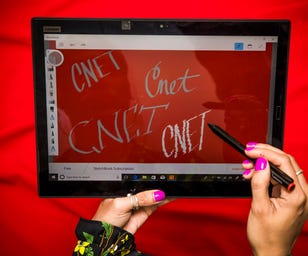
With rumors of an upcoming Mac tablet PC, this novel interface may soon be hitting mobile computing. Tablet PCs, despite their great promise, never did become popular with the mass consumer who probably didn't feel that writing on the screen was worth the extra premium. Add to the fact that value manufacturers like Dell is entering the tablet PC market, and multi-touch technology may be the tipping point for this laptop category.


    Talkback
sylclh says...
think markets for UMPC will hot up, which will prompt more manufacturers to walk this line. Myself is considering one after i tried my friend's Kohjinsha recently, quite impressed ,like the compact design and most of all it won't burn a hole in one pockets.


Cheers...UMPC...


pobox8 says...
Cant wait for SSD to become industry standard for all computers. Faster, more stable, less power usage. Its a net plus for everyone.


To post comments, you need to become a member. It's FREE.
advertisement