How to choose an entertainment system
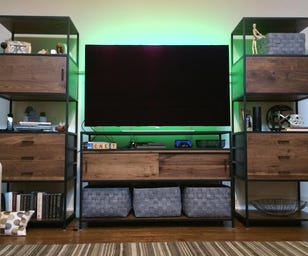
It's not hard to understand why more people are incorporating a home theater system in their bedrooms these days. After all, what could be more relaxing than lazing on the bed in your PJs watching a TV program or a blockbuster movie. The best part is, you can just fall asleep (even before the show ends), and you're already in bed. However, choosing a home entertainment system can be challenging if you're getting one for the first time. Unlike the living room which is typically quite spacious, the bedroom (especially in city apartments) is a lot smaller, meaning you have less space to work with. Installation of the system, including wires and speaker placements, and overall aesthetics will play a more important role in your sleeping quarters.
The space you have
The shape and size of your bedroom will play a key part in the purchase of a home theater system. Decide where you want to place the home theater system in the room. Chances are, you'll want to wall-mount the speakers to save floor space. This also complements and streamlines the whole design of your entertainment unit in the bedroom. Plan in advance how you want to run the cables to connect the receiver to the speakers, especially the rear surround speakers. Keep the cables nicely hidden to avoid unsightly wires all over the room and to avoid accidentally tripping over them. Some bedrooms may be awkwardly shaped, so you may have to rearrange things in the room for better acoustic effect, but it's worth the one-time effort if you want to create an immersive bedroom cinema experience.
Your audio-video requirements
Know your wattage:
Typical apartment bedrooms at about 200sq ft will need a home entertainment unit with a power rating of at least 50W-70W per channel, while bigger rooms will do better with 70W or higher rated systems. Basically, the higher the power rating, the louder the speakers can play.
| Room size | Suggested wattage |
| 200sq ft | 50-70 watts |
| >200ft | 70 and higher watts |
HTIB vs. component:
Unless you are planning to spend lots of time in the bedroom watching TV and movies, a home-theater-in-a-box (HTIB) is recommended for use here. Not only is it more affordable, it is also simple to set up. Most, if not all, HTIBs come with matching colors and design, so it's easier to blend your kit into the bedroom setting. HTIBs may not match the performance of component systems or offer as much expansion flexibility, but the majority of HTIB systems out there do offer solid audio performance which should suffice for most casual users. Besides, it's unlikely you'll want to upgrade or add more components that will clutter up your tight bedroom space.
Home-theater-in-a-box kit
Component home A/V system
Speaker type:
Bedroom space is usually quite limited, especially in city apartments in Asia. Therefore, small satellite speakers are generally preferred for bedroom settings. Some people save floor space by mounting the speakers on the wall, while others opt for in-wall or on-wall speakers. Choose floor-standing speakers only if you have the space to accommodate them. Keep in mind that as much as you want to have a good home theater system, it should not overwhelm the overall bedroom decor.

A wireless sound bar could reduce the cable and speaker clutter in your bedroom.
The primary listening position is where you will spend most of the time using the home entertainment system. This is usually the bed, but it can also be the sofa (if there's one) or any other identified spots in the room. Be sure to point the speakers toward that direction for best sound reproduction.
The standard 5.1-channel surround sound system, which consists of five small satellite speakers and a large subwoofer speaker, is usually preferred over the 6.1 and 7.1 systems. This is because the latter systems require the placement of speakers behind the primary viewing/listening position, which is sometimes not feasible if you are watching from the bed.
One of the challenges when installing home theater systems in the bedroom is the running of cables, particularly the ones to the rear surround speakers. Fortunately, there are options around this. One way is to go wireless. Many audio makers nowadays introduce A/V systems with wireless rear speakers, so there's no need to run the long cables along the sides of the room. Another less common method is using virtual surround sound. These home theater systems do away with the rear speakers and attempt to create the surround sound effect with just three, sometimes two or even one speaker. The surround sound quality and effect are often not as good as regular 5.1-channel systems, but this is a compromise most buyers are willing to accept for ease of installation, better aesthetics and space constraint reasons.
Other features:
When buying a home theater system, there are certain key features and functions you may want to consider, such as the type of files and discs you can playback, the connectivity options for your various A/V devices and the intuitiveness of the user interface and remote control.
Your budget
There's a home entertainment system for every budget. If you want a simple A/V system with basic features, you can expect to spend around S$200 to S$500. Better performance and features usually come with higher-priced units, so have an idea how much you'll be spending to build the home A/V system in your bedroom. This will help narrow down your choices at the store. Top-end home entertainment systems from reputable brands can be bought for S$2,000 or more.